
Choosing percussion instruments for schools is not just about buying a few popular music items. For music teachers, school purchasing teams, education suppliers, and institutional buyers, the real goal is to build a practical product selection that supports classroom teaching, rhythm training, melody learning, and long-term use.
A useful school percussion selection should match the age group, class size, teaching purpose, product durability, and future reorder needs. Instead of choosing random instruments one by one, buyers should plan the full percussion music instruments product mix first.
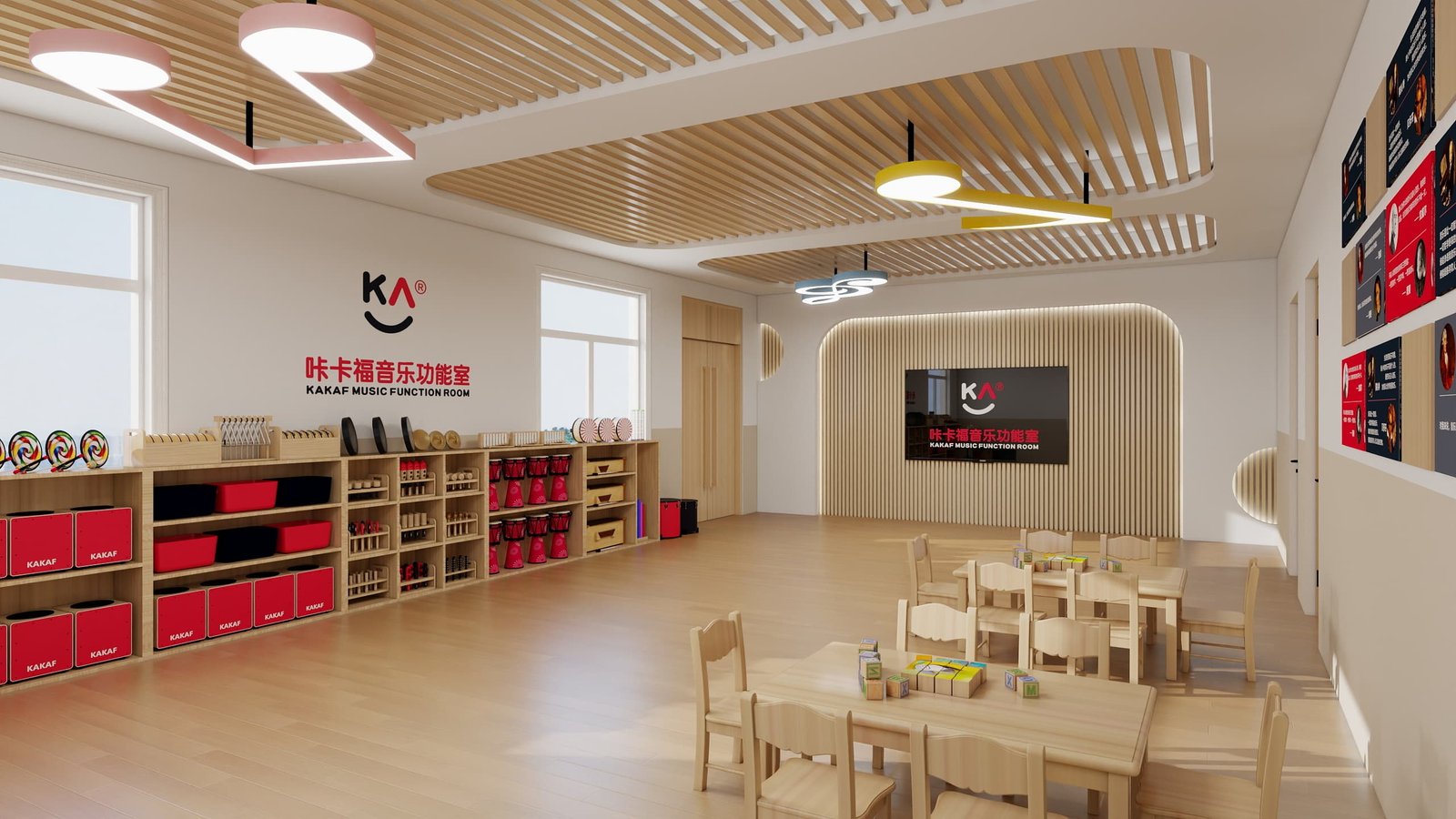
A simple buying path for school percussion orders
Start with the Music Program Goal
Before selecting products, schools should first define how the instruments will be used. A preschool music room, an elementary classroom, an Orff-based program, and a general music education project may all require different product combinations.
For basic rhythm activities, simple handheld instruments are often the easiest starting point. Egg shakers, maracas, rhythm sticks, tambourines, claves, and hand bells allow students to join activities quickly. These instruments are useful for beat practice, listening exercises, movement activities, and group rhythm games.
For melody learning, schools may need pitched percussion instruments such as xylophones, glockenspiels, metallophones, or orchestra bells. These products help students explore pitch, simple melodies, repeated patterns, and ensemble playing. For broader classroom music programs, buyers should not choose only rhythm instruments or only pitched instruments. A balanced selection gives teachers more flexibility.
Match Instruments with Student Age Groups
Age group is one of the most important factors in school purchasing. Instruments that work well for older students may not be suitable for younger children, and products designed for early learning may not be enough for structured music classes.
For preschool and kindergarten programs, buyers should look for instruments that are lightweight, easy to hold, and simple to play. Small shakers, hand bells, tambourines, hand drums, and colorful rhythm instruments can work well because children can create sound without advanced technique.
For elementary school classrooms, the product range can be wider. Students can use rhythm instruments for beat training and pitched percussion instruments for simple melody activities. Xylophones, glockenspiels, metallophones, rhythm sticks, claves, tambourines, and classroom percussion sets can all support group learning.
Build a Balanced Rhythm and Melody Selection
A practical school percussion selection should usually include both rhythm instruments and pitched instruments. Rhythm instruments help students understand beat, tempo, coordination, listening, and group timing. They are easy to distribute, easy to store, and useful for full-class participation.
Pitched percussion instruments support melody learning and simple ensemble activities. Xylophones, glockenspiels, metallophones, bell sets, and orchestra bells can help students recognize pitch, play simple melodic patterns, and understand musical structure.
Rhythm instruments
Best for beat, timing, movement, group response, and full-class participation. Common options include egg shakers, maracas, tambourines, claves, rhythm sticks, hand drums, and wood blocks.
Pitched instruments
Best for melody, pitch recognition, simple patterns, and ensemble learning. Common options include xylophones, glockenspiels, metallophones, bell sets, and orchestra bells.
Use Product Groups to Plan the Classroom
School buyers often make better decisions when they think in product groups instead of single items. The question is not only which instrument is popular. The better question is which product group supports the teaching activity, class size, and student level.
| Classroom Need | Suitable Product Types | Example Instruments |
|---|---|---|
| Basic rhythm practice | Hand percussion and small rhythm items | Egg shakers, maracas, claves, rhythm sticks, tambourines |
| Melody learning | Pitched percussion instruments | Xylophones, glockenspiels, metallophones, bell sets |
| Group activities | Classroom percussion sets | Mixed sets with shaking, ringing, striking, and drumming sounds |
| Early learning | Lightweight and easy-to-hold instruments | Small shakers, hand bells, tambourines, small drums |
| Movement and response | Drums and sound-effect instruments | Hand drums, wood blocks, tambourines, rhythm sticks |
Plan for Class Size and Group Use
Class size should directly affect the buying plan. In a small music classroom, a limited selection of shakers, bells, tambourines, and one or two pitched instruments may be enough. In a larger classroom, buyers need to think about how many students can participate at the same time.
If only a few students can play while others wait, the instruments may not fully support group learning. For this reason, schools often need multiple units of simple rhythm instruments. Small percussion items are useful because they can be passed out quickly and used by many students during the same activity.
Classroom percussion sets can also help schools organize purchases more efficiently. A well-planned set may include several sound types, such as shaking, striking, ringing, and drumming. This gives teachers more variety without requiring them to choose every item separately.
Check Durability, Material, and Handling
School instruments are used differently from personal instruments. They may be handled by many students, moved between rooms, stored in shared spaces, and used repeatedly throughout the year. Durability is therefore a key purchasing factor.
Buyers should check the material, size, weight, finish, sound, and construction of each product. Wooden percussion instruments should have a smooth finish and stable structure. Metal percussion instruments should offer clear sound and safe handling. Handheld instruments should be comfortable to grip and suitable for the target age group.
For school use, products should also be easy to clean, easy to store, and simple for teachers to manage during class. A product that sounds good but is difficult to distribute, collect, or store may not be practical for daily classroom use.
Review Catalogue, Samples, and Quote Details
For B2B buyers, the purchasing process often requires more than looking at product images. Schools, distributors, and education purchasing teams may need to review catalogues, compare models, confirm materials, check packaging, request samples, and ask for quotations before placing larger orders.
A product catalogue helps buyers understand the full range of available instruments. Samples can help confirm sound, size, weight, finish, and classroom suitability. A quotation helps purchasing teams compare quantity, product mix, and order planning. This process helps buyers avoid random purchasing and build a more useful long-term selection through a clearer percussion wholesale process.
Final Checklist for School Buyers
Before choosing percussion instruments for schools, use this checklist to confirm whether the product mix fits real classroom needs.
Conclusion
Choosing percussion instruments for schools should be a planned purchasing decision, not a random product selection. A strong school percussion setup supports rhythm practice, melody learning, group participation, and long-term classroom use.
For school buyers, education suppliers, and music program planners, the best approach is to match instruments with age group, teaching purpose, classroom size, and product mix. By reviewing product categories, requesting catalogue information, and checking sample options before larger orders, buyers can build a percussion selection that is more practical, organized, and useful for music education.
Plan a Better School Percussion Selection
Review available percussion categories, compare classroom-ready products, and request catalogue, sample, or quotation details before placing a larger school or education supply order.