
Orff percussion instruments are widely used in classroom music programs because they help students learn through rhythm, melody, movement, listening, and group participation. For schools, music teachers, education suppliers, and B2B buyers, the key is not to choose one single instrument. The real goal is to build a practical classroom product mix that supports different teaching activities.
A useful Orff selection usually includes both pitched and unpitched instruments. Xylophones, glockenspiels, metallophones, shakers, tambourines, rhythm sticks, claves, hand drums, and classroom percussion sets can work together to create a more flexible music learning environment.
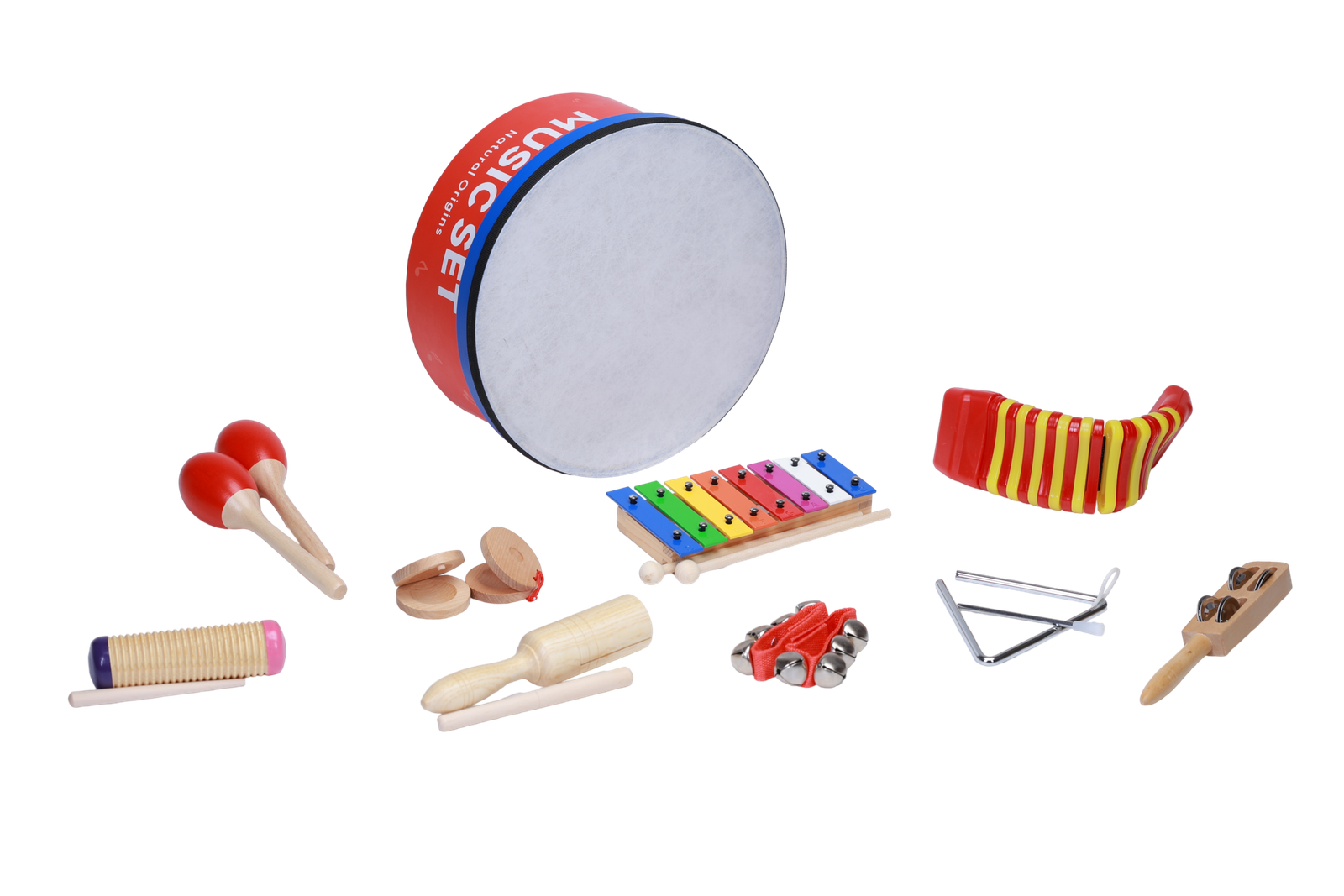
The Three Layers of an Orff Classroom Setup
A practical Orff classroom selection should be planned as a system. The three core layers are melody, rhythm, and group participation.
Layer
Pitched instruments for musical structure
Xylophones, glockenspiels, metallophones, bell sets, and orchestra bells help students explore pitch, simple patterns, tone color, and melody learning.
Layer
Hand percussion for group response
Egg shakers, maracas, tambourines, claves, rhythm sticks, and hand drums help students practice beat, timing, movement, and coordination.
Layer
Sets and combinations for classroom management
Orff-style sets and classroom percussion combinations make it easier for schools to distribute instruments, manage storage, and support group music activities.
What Makes Orff Instruments Useful in Classrooms?
Orff classroom teaching often focuses on active participation. Students may clap, speak, move, sing, play rhythms, explore pitch, and join simple ensemble activities. This makes percussion instruments especially important because they allow students to create sound directly and take part in music without needing advanced technique.
In a school setting, good Orff instruments should be easy to use, durable enough for repeated handling, and suitable for group lessons. The instruments should also help teachers organize different types of activities, from steady beat practice to melody patterns and call-and-response exercises.
Pitched Instruments for Melody Learning
Pitched instruments are important in Orff classroom music because they allow students to play melodies, repeated patterns, and simple accompaniments. Xylophones are often used because they have a clear wooden tone and work well for pattern-based learning. They can help students connect rhythm with pitch and understand how short musical ideas are built.
Metallophones usually produce a more sustained sound. Their tone can add depth to classroom arrangements and create smoother musical layers. Glockenspiels produce a bright and clear tone, making them useful for pitch recognition, simple melody lines, and classroom ensemble parts.
Melodic product planning
Buyers who need tuned classroom products can compare melodic percussion instruments by tone, size, classroom use, and product category fit.
Rhythm product planning
Buyers who need easy group participation can review percussion shakers, bells, hand drums, wood rhythm products, and other small percussion items.
Rhythm Instruments for Group Participation
Rhythm instruments are just as important as pitched instruments in an Orff classroom. They allow more students to participate at the same time and help teachers organize full-class activities.
Egg shakers are useful for steady beat practice and softer rhythm patterns. Maracas create a stronger shaking sound and can support movement, accents, and group response. Tambourines work well for beat, pulse, and rhythmic accents. Claves and rhythm sticks provide clear sounds that help students hear timing and pattern changes.
Hand drums can support pulse, call-and-response activities, and movement-based lessons. Wood blocks and other small percussion instruments can add different tone colors and make classroom activities more varied.
Orff Product Mix for Different Classroom Needs
A good Orff product mix should match the actual classroom need. Buyers can use the following structure when planning a selection.
| Orff Layer | Teaching Purpose | Recommended Instruments | Buyer Notes |
|---|---|---|---|
| Melody layer | Pitch, melody, patterns, and ensemble parts | Xylophones, glockenspiels, metallophones, bell sets | Compare tone, bar material, size, and classroom use. |
| Rhythm layer | Beat, timing, accents, and coordination | Egg shakers, maracas, claves, rhythm sticks, tambourines | Choose items that are easy to distribute and collect. |
| Movement layer | Movement, pulse, response, and activity flow | Tambourines, hand drums, shakers, rhythm sticks | Check weight, grip comfort, and age suitability. |
| Group layer | Organized classroom participation | Orff sets and classroom percussion combinations | Useful for schools and education suppliers planning complete sets. |
Choosing by Age Group and Class Size
Age group should always affect the product selection. Younger students usually need instruments that are lightweight, simple, and easy to hold. They should be able to create sound quickly without complex playing techniques.
For preschool and kindergarten programs, small shakers, bells, tambourines, rhythm sticks, and small drums may be more practical. These instruments support movement, listening, beat practice, and group activities.
For elementary school programs, the selection can be wider. Students can use rhythm instruments for timing and coordination, while xylophones, glockenspiels, and metallophones can support melody learning and structured ensemble work.
What B2B Buyers Should Check Before Ordering
Before ordering Orff percussion instruments, buyers should check more than product names. The same category can vary by size, material, sound, durability, handling, packaging, and classroom suitability.
For pitched instruments, buyers should review bar material, tone character, size, construction, and classroom use. For rhythm instruments, buyers should consider grip comfort, weight, sound level, and whether the product can be used repeatedly by students.
Important details to confirm include instrument size, age suitability, material, construction, product quantity, packaging, included accessories, sample options, catalogue information, and quotation support. This is especially important for schools, distributors, and education suppliers that need consistent product lines rather than one-time purchases.
Final Checklist for Orff Classroom Buyers
Before selecting an Orff classroom product mix, use this checklist to confirm whether the selection fits real teaching and purchasing needs.
Conclusion
Orff percussion instruments for classroom music programs should be selected as a complete product system. A useful setup combines pitched instruments for melody learning with rhythm instruments for beat, movement, timing, and group participation.
For schools, music teachers, education suppliers, and B2B buyers, the best approach is to plan the product mix by teaching purpose, student age, class size, durability, and future purchasing needs. With the right combination of xylophones, glockenspiels, metallophones, shakers, tambourines, hand drums, rhythm sticks, claves, and classroom percussion sets, an Orff classroom can support more active, organized, and flexible music learning.
Build a Balanced Orff Classroom Set
Review Orff instrument sets, compare melodic and rhythm products, and request catalogue or quotation details before placing a larger school or education supply order.