
Music education resources are most useful when they help teachers turn simple classroom moments into repeatable music activities. For preschools, kindergartens, elementary classrooms, learning centers, and education buyers, these resources are not only lesson ideas. They also include hands-on materials, beginner instruments, classroom activity sets, and practical supplies that support rhythm, listening, movement, and early melody learning.
In early learning classrooms, children often learn best through sound, touch, movement, and group participation. A good classroom music plan should combine clear teaching goals with suitable products, including egg shakers, maracas, tambourines, claves, bell kits, glockenspiels, xylophones, and metallophones.
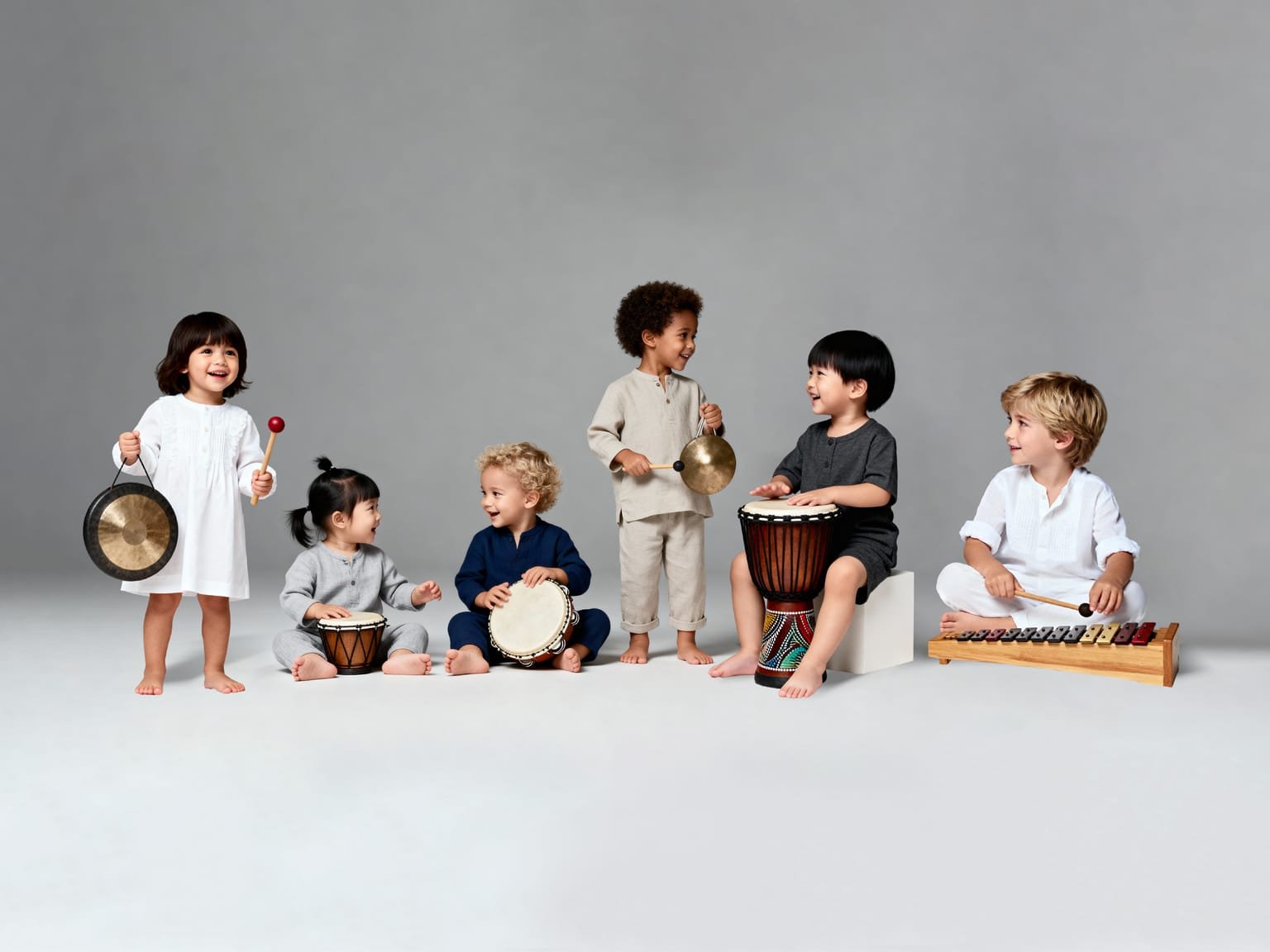
What Music Education Resources Mean in a Real Classroom
A useful classroom music setup is not only a list of instruments. It should connect teaching ideas, hands-on supplies, and clear product planning, so teachers can run activities that are easy to explain and easy to repeat.
Activities Teachers Can Repeat
Music teaching resources may include rhythm games, listening activities, movement routines, sound exploration tasks, and simple melody exercises used across the school year.
Materials Children Can Hold and Hear
Music classroom supplies such as shakers, tambourines, rhythm sticks, bell kits, and small percussion sets help children connect sound with movement and participation.
Product Structure for Schools
Education buyers, dealers, and school suppliers need music education supplies organized by age group, activity type, classroom size, and long-term program needs.
Why Early Learning Resources Need to Be Simple and Practical
Early learning resources should be easy to introduce, easy to repeat, and easy to manage. Young children do not need complex instruments at the beginning. They need clear sounds, safe materials, comfortable sizes, and simple activity structures.
For preschool classrooms, small hand percussion items are often a practical starting point. Egg shakers and maracas can support steady beat activities. Tambourines can be used for start-and-stop games. Claves and rhythm sticks can help children copy short sound patterns. These materials allow children to join music activities without needing advanced skills.
In kindergarten classrooms, music teaching resources can become more structured. Teachers may introduce call-and-response games, turn-taking activities, listening comparisons, and simple group rhythm practice. Hand bells and basic bell sets can help children begin to notice pitch differences, while rhythm instruments keep the activity active and easy to follow.
Matching Classroom Supplies to Learning Goals
A good selection of music classroom supplies should support different learning goals. If the goal is rhythm, teachers need tools that produce clear, repeatable sounds. If the goal is movement, instruments should be light, safe, and easy for children to hold. If the goal is listening, students need materials with different tones, textures, and sound levels. If the goal is melody learning, simple pitched instruments become more important.
This goal-based approach is better than buying a random mix of products. For example, a preschool music set may focus on shakers, tambourines, maracas, and rhythm sticks. A kindergarten set may add hand bells, claves, and simple sound comparison tools. An elementary set may include bell kits, glockenspiels, xylophones, metallophones, and mixed classroom percussion items.
Rhythm and Movement Resources
Buyers can compare percussion shakers, tambourines, claves, rhythm sticks, and small hand percussion products for steady beat, movement, and group participation.
Melody and Listening Resources
For beginner melody learning, schools can review melodic percussion instruments, glockenspiels, xylophones, and bell sets for pitch awareness and simple classroom patterns.
Building a Better Early Learning Music Set
A practical early learning music set should not be too narrow or too complicated. It should give teachers enough variety for different classroom activities, while staying simple enough for daily use.
A balanced set may include four types of materials. First, sound exploration tools such as shakers, maracas, and tambourines help children experience sound through movement. Second, rhythm tools such as claves and rhythm sticks support beat practice and pattern copying. Third, group activity items such as hand bells and mixed percussion sets help students participate together. Fourth, beginner melody tools such as bell kits, glockenspiels, and xylophones allow older children to explore pitch and simple tunes.
This kind of planning makes music education resources more valuable because each product has a classroom role. Teachers can rotate activities, divide students into groups, and reuse the same materials across many lessons. Buyers can also build clearer product assortments for preschools, kindergartens, elementary classrooms, and early learning programs.
Age-Based Resource Planning for Classrooms
Different age groups need different classroom materials. A preschool classroom usually needs safe, simple, movement-friendly tools. A kindergarten classroom can use more organized rhythm and listening materials. An elementary classroom can include more structured elementary music resources for melody, pitch, and small group practice.
| Classroom Stage | Learning Focus | Useful Resources | Planning Notes |
|---|---|---|---|
| Preschool | Sound exploration, movement, simple rhythm | Egg shakers, maracas, tambourines, rhythm sticks | Choose lightweight, easy-grip products that are simple to distribute and collect. |
| Kindergarten | Turn-taking, listening games, rhythm copying | Claves, hand bells, tambourines, mixed percussion sets | Look for clear sounds, safe materials, and products that support group routines. |
| Elementary | Melody learning, pitch direction, small group practice | Bell kits, glockenspiels, xylophones, metallophones | Use pitched instruments to expand music classroom supplies beyond rhythm-only activities. |
| Mixed programs | Flexible weekly music activities | Classroom percussion sets, Orff-style sets, mixed hand percussion | Useful for schools, dealers, and education suppliers planning reusable music education supplies. |
What Schools and Education Buyers Should Consider
When selecting music education supplies, schools and buyers should look beyond appearance. Bright colors may help attract children, but classroom value depends on safety, durability, sound quality, size, and ease of use.
For early childhood classrooms, products should have smooth edges, comfortable handling, and suitable sound levels. For group classrooms, materials should be easy to distribute, collect, clean, and store. For schools and dealers, packaging, product information, sample availability, and repeat order consistency also matter.
This is especially important for B2B buyers. A school may need enough materials for several classrooms. A dealer may need a product line that works for different customer groups. An education supplier may need sets that are easy to explain in a catalog. In these cases, music classroom supplies should support both teaching needs and purchasing needs.
Selection Factors for Early Learning Music Resources
A reliable classroom resource plan should support daily teaching, group activity management, and long-term purchasing needs.
How Music Teaching Resources Support Classroom Activities
Good music teaching resources help teachers create activities that are simple but meaningful. A shaker activity can introduce steady beat. A tambourine game can teach children to stop, start, and listen. A clave pattern can help students copy rhythm. A hand bell activity can support listening and turn-taking. A glockenspiel or xylophone activity can introduce melody in a visual and hands-on way.
These activities also support broader classroom skills. Children practice listening, waiting, copying, moving together, responding to signals, and working in groups. For young learners, these skills are often just as important as musical knowledge. The best music education resources help teachers connect music with movement, coordination, attention, and participation.
Turning Product Selection into a Classroom Resource System
For schools and B2B buyers, the best result is not a random product list. The best result is a classroom resource system. That means products are grouped in a way that matches how teachers actually use them.
One section may focus on preschool sound exploration. Another may focus on kindergarten rhythm and movement. Another may focus on elementary music resources for melody, pitch, and small group practice. A separate section may offer mixed classroom sets for schools that want a simple starting point.
This kind of structure helps teachers, purchasing teams, dealers, and education suppliers. Teachers can see how the materials support lessons. Buyers can compare sets more easily. Suppliers can build product lines around real classroom needs. Schools can plan future orders based on age group, classroom size, and program growth.
Conclusion
Music education resources are most effective when they connect teaching goals with practical classroom use. For early learning classrooms, the right materials should be safe, simple, durable, and engaging. They should help teachers run rhythm activities, listening games, movement exercises, group participation, and beginner melody lessons.
For preschools, kindergartens, elementary classrooms, dealers, and education buyers, a well-planned selection of music teaching resources and music classroom supplies can make music programs easier to organize and easier to expand. By choosing early learning resources according to age group, activity type, and classroom purpose, schools and suppliers can build a stronger music education supply system that supports both teaching and long-term purchasing needs.
Plan Classroom Music Resources for Early Learning
Compare classroom music supplies, review rhythm and melody products, and request catalog or quotation details before planning a larger school, dealer, or education supply order.