
Music activities for preschoolers should be simple, active, and easy to repeat in a real classroom. Young children learn best when they can hear a sound, copy a movement, hold a simple instrument, and join a group activity without complicated instructions.
For preschools, kindergartens, elementary classrooms, learning centers, and education buyers, well-planned music activities can support rhythm, listening, movement, coordination, social participation, and early creative expression.
A strong classroom music activity does not need to be difficult. Teachers need activities that are clear enough to explain quickly, flexible enough for different class sizes, and practical enough to repeat every week.
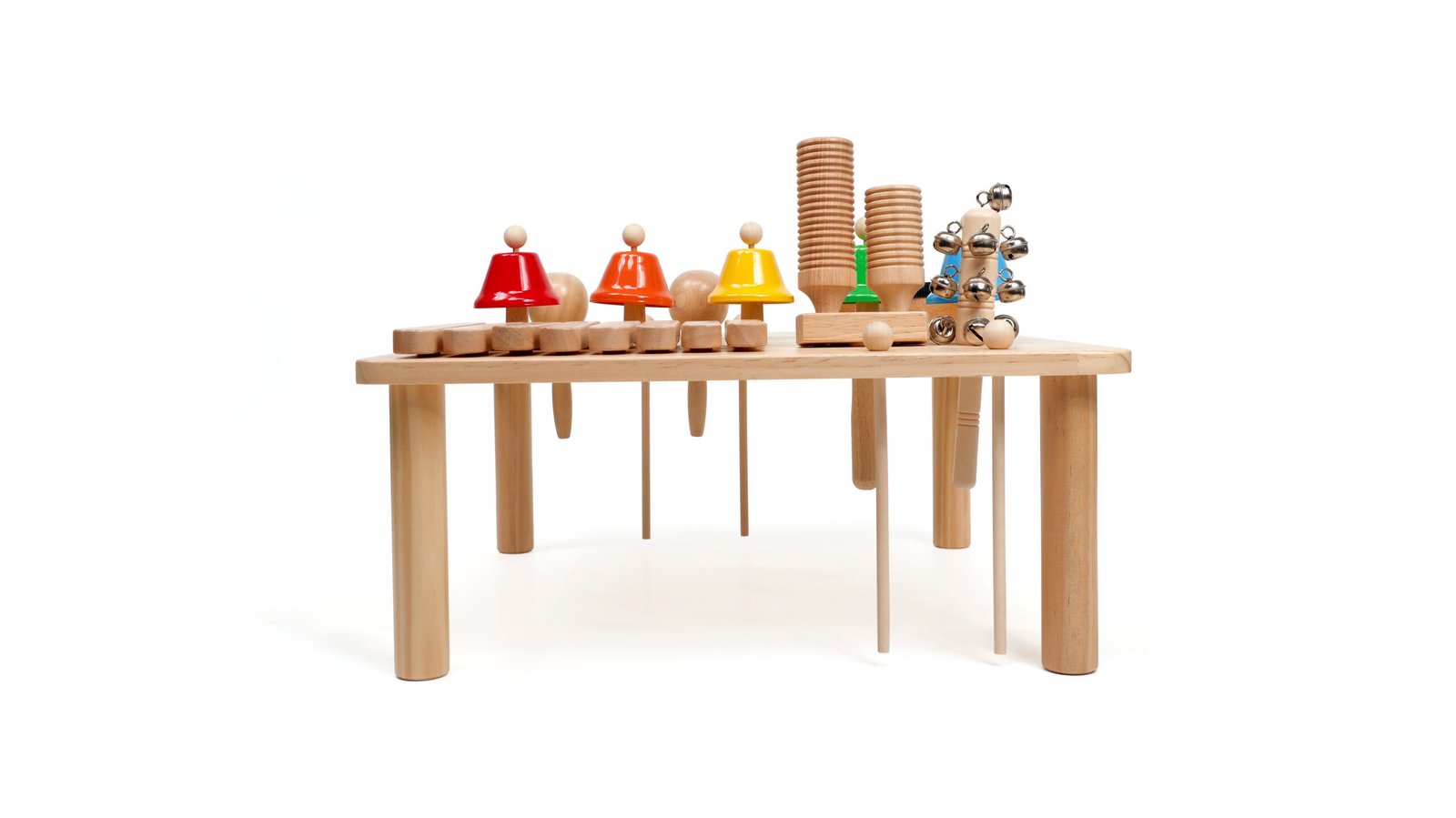
Why Age-Based Music Activities Matter
Different age groups respond to music in different ways. Preschool children usually enjoy short sound games, simple movements, and clear start-and-stop signals. Kindergarten students can follow more structured activities, such as call-and-response rhythms, turn-taking, and group listening games. Elementary students can begin to connect rhythm, melody, simple patterns, and small group performance.
Preschool Sound Exploration
Music activities for preschoolers should focus on sound, movement, and participation. Small hand percussion items help children notice sound, copy simple actions, and respond to classroom signals.
Kindergarten Rhythm Practice
Music activities for kindergarten can include short rhythm patterns, call-and-response games, turn-taking, hand bell listening, and simple group movement activities.
Elementary Melody Learning
Music activities for elementary students can use bell kits, glockenspiels, xylophones, and metallophones to introduce pitch, melody patterns, and small group performance.
Music Activities for Preschoolers
Preschool music activities should focus on sound, movement, and participation. At this stage, children may not be ready for complex rhythm reading or melody practice. They need activities that help them notice sound, copy simple actions, respond to signals, and feel comfortable joining the group.
A steady beat shaker game is a practical starting activity. Each child holds an egg shaker or maraca and follows the teacher’s beat. The teacher can ask students to shake fast, slow, loud, soft, high, low, or stop. These music activities for preschoolers help children connect listening with body movement while keeping the activity easy to manage.
Another useful activity is a tambourine start-and-stop game. The teacher plays the tambourine while children walk, clap, or move in a circle. When the sound stops, everyone freezes. This simple game supports listening, attention, body control, and classroom management.
Preschool classrooms can also use sound matching activities. The teacher plays two different instruments, such as a shaker and a tambourine, and children respond when they hear a certain sound. They may point, copy, move, or raise a hand. This helps young learners build early listening habits before moving into more structured music activities.
Music Activities for Kindergarten
Music activities for kindergarten can become more structured while still staying playful. Kindergarten students are usually ready for short rhythm patterns, call-and-response games, turn-taking, and group participation.
One useful activity is a rhythm copy game. The teacher plays a short pattern on claves or rhythm sticks, and students copy it. The pattern should be simple at first, such as two or three beats. As the class becomes more confident, the teacher can add soft and loud sounds, slow and fast patterns, or different instrument groups.
Kindergarten music activities can also include hand bell listening games. A teacher can play one hand bell and ask students to identify when they hear the sound. Later, students can compare high and low sounds, take turns playing different bells, or follow simple teacher signals. This introduces pitch awareness in a simple, hands-on way.
Music and Movement Activities for Group Learning
Music and movement activities are valuable because they allow the whole class to participate. Not every child will sing confidently or play an instrument correctly at first, but most children can move, copy, stop, start, and respond to sound.
Movement Signals
A tambourine may mean walk, a shaker may mean tiptoe, claves may mean clap, and a hand bell may mean freeze. This activity supports listening, movement control, and group attention.
Group Participation
Group activities help children practice waiting, following directions, moving with others, and respecting classroom space while music supports both learning and classroom routine.
Activity-based product planning matters for classroom music selections. A good classroom music assortment should not only look attractive in a catalog. It should help teachers run real activities. Products should be easy to hold, clean, store, distribute, and use across different lessons.
Music Activities for Elementary Students
Music activities for elementary students can include more structure, teamwork, and melody learning. At this stage, children can begin to understand patterns, sections, instrument roles, and simple classroom performance.
One effective activity is a rhythm group rotation. The teacher divides the class into small groups. One group plays rhythm sticks, one group plays tambourines, one group plays shakers, and another group claps or moves. Each group plays a simple pattern, then rotates instruments. This helps students experience different sounds while practicing timing, listening, and teamwork.
Another activity is beginner melody exploration. Hand bell sets, glockenspiels, xylophones, and metallophones can help students see and hear pitch differences. Teachers can begin with simple note patterns, color-coded notes, or short melody fragments.
Music activities for elementary students can also include small group creation. Students choose a rhythm instrument and create a short pattern. Another group adds movement. Another group adds a simple bell, glockenspiel, or xylophone part. This gives students a chance to make creative choices while still working within a clear classroom structure.
Matching Simple Classroom Instruments to Each Activity
The best classroom instruments are the ones that match the activity. Music activities for preschoolers usually work best with simple hand-held instruments such as egg shakers, maracas, tambourines, and rhythm sticks. These products are easy for young children to understand and easy for teachers to manage.
Music activities for kindergarten can use a broader mix, including claves, hand bells, rhythm sticks, tambourines, and simple percussion sets. These instruments support rhythm copying, listening games, movement signals, and turn-taking.
Music activities for elementary students can include more pitched instruments, such as bell kits, glockenspiels, xylophones, and metallophones. These tools help students move beyond rhythm only and begin exploring melody, pitch direction, and simple arrangement.
| Classroom Stage | Activity Focus | Useful Instruments | Classroom Use |
|---|---|---|---|
| Preschool | Sound exploration, movement, start-and-stop games | Egg shakers, maracas, tambourines, rhythm sticks | Choose lightweight instruments that are easy to hold, clean, store, and distribute. |
| Kindergarten | Rhythm copying, listening games, turn-taking | Claves, hand bells, tambourines, mixed percussion sets | Use clear sounds and simple instrument roles to support group routines. |
| Elementary | Melody learning, rhythm groups, small performance tasks | Bell kits, glockenspiels, xylophones, metallophones | Use pitched instruments to introduce melody, pitch direction, and classroom arrangements. |
| Mixed programs | Weekly music lessons and flexible group activities | Classroom percussion sets, Orff-style sets, mixed hand percussion | Useful for reusable classroom activities and long-term music program planning. |
Planning Classroom Music Sets by Activity
Music activity planning can guide product selection and catalog structure. Products can be grouped by age, activity, and learning goal, helping teachers and buyers understand which items support rhythm practice, music and movement activities, and beginner melody learning.
Conclusion
Music activities for preschoolers, kindergarten students, and elementary students should be simple, active, and age-appropriate. Preschool classrooms need sound exploration, movement, and short rhythm games. Kindergarten classrooms can use call-and-response, hand bell listening, rhythm copying, and group movement activities. Elementary classrooms can begin using melody instruments, small group patterns, and simple classroom performances.
For schools, learning centers, dealers, and education buyers, the best results come from connecting classroom activities with suitable music supplies. Egg shakers, maracas, tambourines, claves, rhythm sticks, hand bells, bell kits, glockenspiels, xylophones, metallophones, and Orff-style sets can all support different stages of music learning.
When classroom music activities are planned by age group and teaching purpose, teachers can create better lessons, students can participate more confidently, and buyers can build stronger music education product selections for long-term classroom use.
Build Classroom Music Sets Around Real Activities
Compare rhythm tools, movement-friendly instruments, and beginner melody products before planning larger classroom, dealer, or education supply orders.