
Unusual percussion instruments add sound colors that standard drums, shakers, and bells cannot always provide. Some recreate rain, waves, or thunder. Others produce mechanical clicks, scraping textures, rolling wooden sounds, or long metallic resonance. These differences make unusual percussion instruments valuable for distributors, music retailers, education suppliers, online sellers, and project buyers seeking a more varied percussion range.
A strong assortment should offer clear choices between rhythm, atmosphere, sound imitation, and dramatic accents. Understanding unusual percussion instruments helps buyers avoid overlap and build a range that is easier to demonstrate and sell.
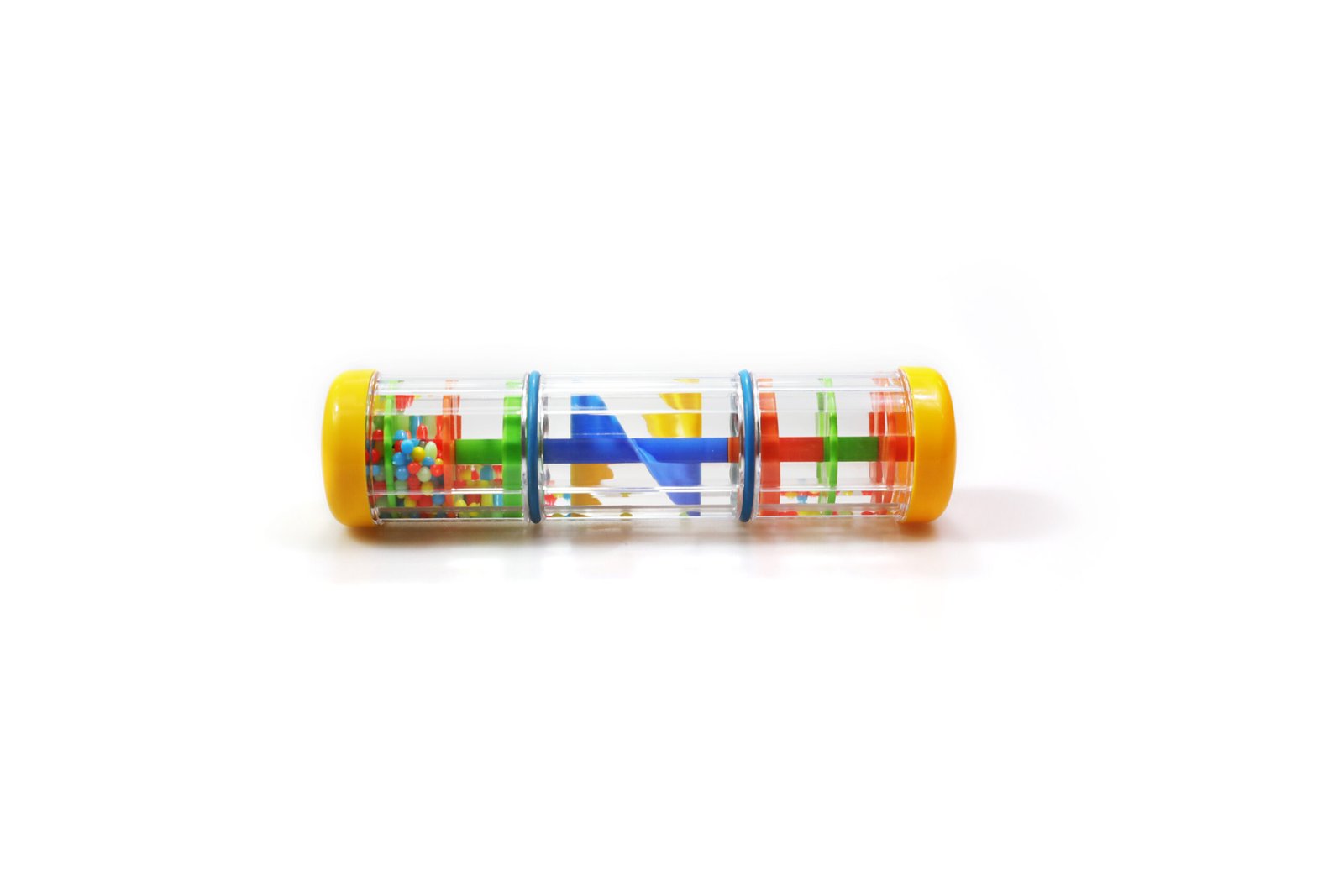
What Makes Unusual Percussion Instruments Different?
Unusual percussion instruments are generally defined by a distinctive sound source, playing action, or musical role. They may use internal beads, vibrating springs, ridged surfaces, rotating wooden parts, suspended metal bars, or linked wooden slats.
Tilting an ocean drum, rotating a ratchet, scraping a wooden frog, or sweeping across bar chimes creates a demonstration customers can understand quickly. Some products create atmosphere, some mark transitions, and others imitate weather, animals, movement, or machinery. In a balanced assortment, unusual percussion instruments add contrast rather than replace conventional rhythm products.
Distinctive Sound Source
Beads, springs, ridges, slats, and resonant metal parts produce effects that standard struck drums cannot copy.
Visible Playing Action
Tilt, rotate, scrape, sweep, shake, and strike movements make the product easy to understand during a demonstration.
Clear Product Role
Each instrument should add atmosphere, texture, transition, sound imitation, or a strong accent to the wider range.
Nature-Inspired Sound Effects
Selection difference: these unusual percussion instruments all imitate natural environments, but they differ in movement, volume, and dramatic intensity.
Rain Stick
A rain stick contains small particles that move through a tube and fall across internal obstacles. Slow tilting creates a soft rainfall texture, while faster movement produces a shorter effect. Rain sticks suit demonstrations, storytelling, relaxation activities, and musical transitions.
Ocean Drum
An ocean drum uses small beads that roll across the inner surface of a drumhead. Changing the angle and speed creates anything from gentle shoreline movement to a stronger wave-like sound, with visible control through the player’s hands.
Thunder Tube
A thunder tube uses a vibrating spring to create a deep rumbling effect. It has strong demonstration value, although its volume and dramatic character may not suit every setting.
These unusual percussion instruments should not be treated as interchangeable. A rain stick provides a flowing texture, an ocean drum offers broader wave movement, and a thunder tube supplies a strong accent.
Wooden Clicks, Scrapes, and Moving Textures
Wooden unusual percussion instruments often create short, dry, and clearly defined sounds. They can add animal imitation, mechanical movement, or tactile interest without the long sustain of metal percussion.
Ratchet Musical Instrument
A ratchet creates repeated clicks as a wooden part moves across a toothed wheel. Its mechanical sound is useful for theatrical effects, rhythm accents, and product demonstrations. Because volume can vary by size and construction, sample testing is useful before a larger order.
Wooden Frog Instrument
A wooden frog instrument is played by scraping a stick across ridges on its carved body. The resulting sound resembles a frog call, while a direct strike produces a separate wooden tone. Its appearance and simple playing method suit education, gift, and demonstration-focused channels.
Guiro
A guiro creates a rhythmic scraping texture as a stick moves across a ridged surface. It can provide short accents or continuous rhythmic movement, depending on the scraping pattern and instrument construction.
Kokoriko
A kokoriko produces rolling wooden clicks through connected slats that collide when the instrument is moved. Its tactile action and visible motion make it easy to demonstrate in person or through short product videos.
Wood Block and Wooden Agogo
Wood blocks and wooden agogos use more conventional striking actions, but they strengthen a range of unusual percussion instruments by connecting special effects with clear rhythmic tones.
Metallic Resonance, Accents, and Transitions
Metal unusual percussion instruments are useful when a range needs brightness, sustain, shimmer, or a stronger transition effect.
Together, these unusual percussion instruments cover separate functions: bar chimes for shimmer, gongs for expanding resonance, triangles and agogo bells for bright accents, and cabasas for rolling metallic texture.
Quick Comparison for Product Selection
This comparison separates unusual percussion instruments by sound, playing action, and product role, helping buyers avoid models that perform nearly the same function.
| Instrument | Main Sound | Playing Action | Product Role |
|---|---|---|---|
| Rain Stick | Rainfall texture | Tilt | Nature-sound range |
| Ocean Drum | Wave effect | Tilt and rotate | Atmospheric demonstration |
| Thunder Tube | Deep rumble | Shake or move | Dramatic accent |
| Ratchet | Mechanical clicks | Rotate | Strong demonstration |
| Wooden Frog | Animal-like scrape | Scrape or strike | Gift and education channels |
| Guiro | Rhythmic scrape | Scrape ridges | Rhythm and texture |
| Kokoriko | Rolling wooden clicks | Move linked slats | Tactile sound exploration |
| Bar Chimes | Metallic shimmer | Sweep or strike | Transitions |
| Gong | Expanding resonance | Strike | Dramatic accent |
| Cabasa | Granular movement | Rotate or shake | Continuous texture |
Matching Products to Sales Channels
Unusual percussion instruments can serve several channels, but the best selection depends on how each channel presents, demonstrates, and sells them. For each market, unusual percussion instruments should be chosen for a clear customer need rather than appearance alone.
Education Suppliers
Simple playing methods, clear sound differences, and durable construction make rain sticks, ocean drums, guiros, wooden frogs, triangles, and wood blocks practical choices.
Music Retailers
Thunder tubes, ratchets, bar chimes, gongs, and cabasas offer effects that customers can recognize quickly during an in-store demonstration.
Online Sellers
Visible playing actions and distinctive sounds work well in short videos, but listings still need accurate dimensions, materials, instructions, and packaging details.
Gift and Project Buyers
Gift channels may favor compact and intuitive products, while project buyers usually prioritize consistency, coordinated sourcing, and clear product documentation.
How B2B Buyers Should Evaluate Unusual Percussion Instruments
A professional buying decision should consider more than novelty. The most useful unusual percussion instruments fit the target market, add a clear sound function, and can be supported with reliable product information. When unusual percussion instruments are compared systematically, buyers can separate real assortment value from short-term novelty.
Building a Balanced Product Range
A balanced range of unusual percussion instruments should cover different sound functions rather than simply include as many models as possible. A practical starter group of unusual percussion instruments can combine four clearly separated roles.
Rain Stick or Ocean Drum
Add environmental texture and an easy visual demonstration.
Wooden Frog or Guiro
Add tactile scraping, clicking, or animal-like effects.
Bar Chimes
Add shimmer and a clear transition between musical sections.
Thunder Tube or Gong
Add a dramatic sound that is clearly different from standard rhythm tools.
These products can then be combined with standard drums, tambourines, shakers, bells, and rhythm sets. For larger assortments, buyers can organize unusual percussion instruments into nature sounds, wooden textures, metallic accents, and performance effects. This structure is easier to present in catalogues, product pages, retail displays, and sales materials.
Frequently Asked Questions
What are unusual percussion instruments?
Unusual percussion instruments are products with distinctive sound sources, playing actions, or musical functions. They may imitate natural sounds, create mechanical clicks, produce scraping textures, or add atmospheric resonance.
Which instruments can create nature sounds?
Rain sticks, ocean drums, and thunder tubes create rain-like, wave-like, and thunder-like effects through particles, beads, or spring vibration.
Are unusual percussion instruments only for education?
No. They are also used in performance, theatre, recording, storytelling, retail demonstrations, gift ranges, and creative percussion assortments.
Which products are easiest to demonstrate?
Rain sticks, ocean drums, thunder tubes, ratchets, wooden frogs, bar chimes, and cabasas generally produce recognizable results with simple playing actions.
Selecting the Right Products for Long-Term Sales
Unusual percussion instruments can make a percussion range more distinctive, but the strongest selection is based on clear product roles rather than novelty alone. Buyers should compare sound character, playing action, target channel, demonstration value, construction, and packaging before choosing models.
A well-planned assortment of unusual percussion instruments can support product demonstrations, education ranges, retail displays, gift collections, and mixed percussion orders. Buyers can use product specifications, catalogues, and sample evaluation to compare models, confirm quality, and prepare a focused quotation request.
Build a More Distinctive Percussion Selection
Compare nature effects, wooden textures, metallic transitions, and dramatic accents before preparing your next catalogue, sample request, or product inquiry.